
Welcome to the
Dental Centre@ The Royal Bank Plaza
We can help you reach your full potential by optimizing your smile. Your smile reveals a lot about you, and we want you to feel and project confidence while maintaining a healthy mouth. Your well-being is our priority when it comes to dental care, we stay up to date with our qualifications, new technology and sanitation policies to provide the best possible service for you!
We are now accepting CDCP patients!
Please inquire for more information.

What do you mean by a
Healthy Smile?
Nowadays, having whiter teeth, clean and healthy teeth and gums, and straight teeth are all part of what most people perceive as healthy and beautiful in a smile. And if you desire the “perfect” set of teeth, we can also generate our professional opinions to get you started on your journey to your healthy smile.
Our Philosophy
Our intentions are never to push treatment. We believe every patient’s needs are unique, and we will respect your needs. With my qualified dental team, we promise to help you take an active part in the care of your teeth and mouth.
Services
What We Do

General
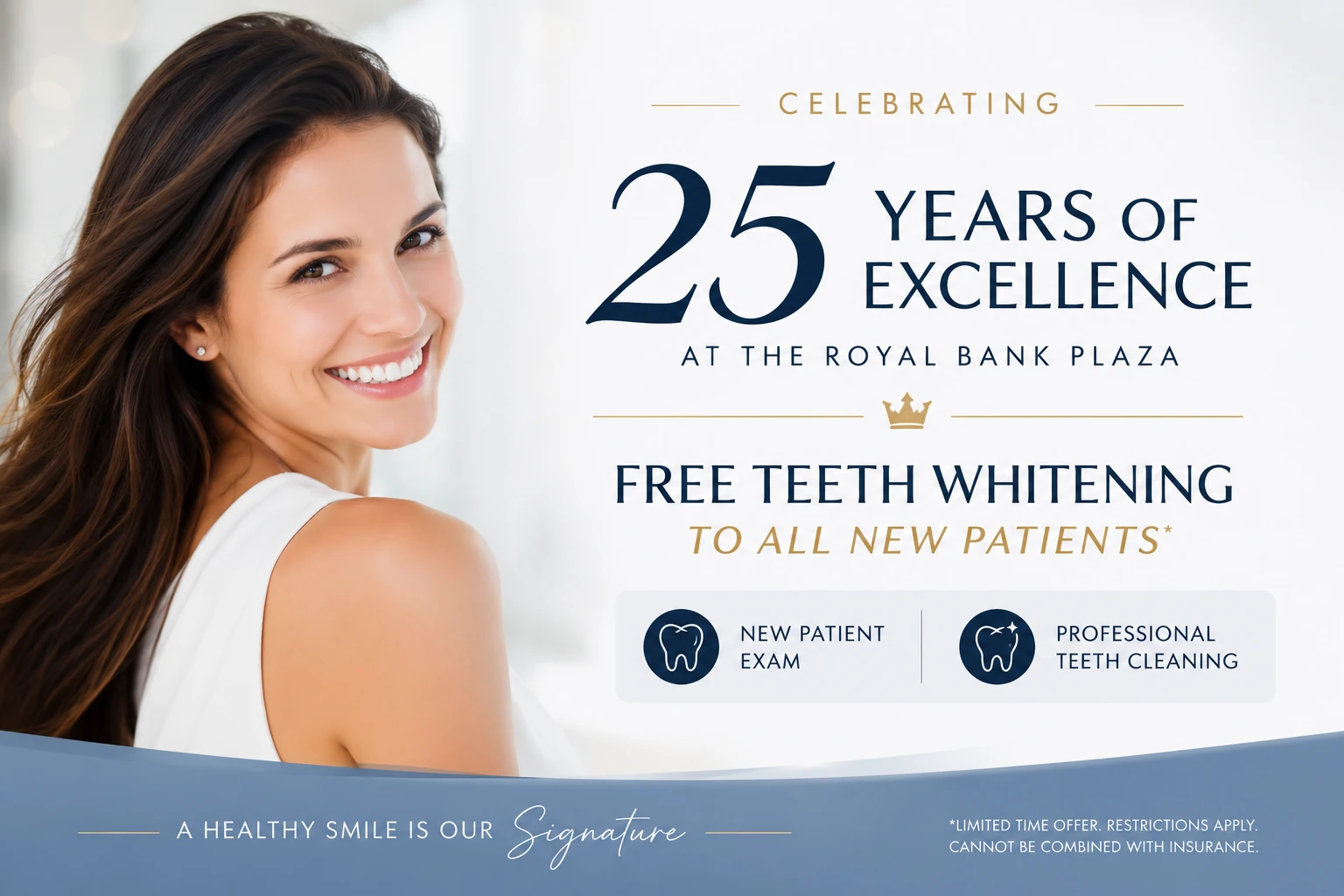
Become a new patient of ours! We will provide primary dental care for you and your family, managing your overall oral health.

Cosmetic
If you want to revitalize your smile, our skilled dentist can craft a picture- perfect smile so that you can be proud of your teeth.

Implant
Restore the function and vitality of your smile! Designed to resemble your natural teeth, implants will close gaps and create lasting beauty.

preventative
We will keep your teeth and gums in prime condition. Regular checkups allow us to monitor your oral health and preserve your brilliant smile.
WHO WE ARE
Find out more about our dental office and amazing team here!